 Resale Record
How long should resellers keep their records?
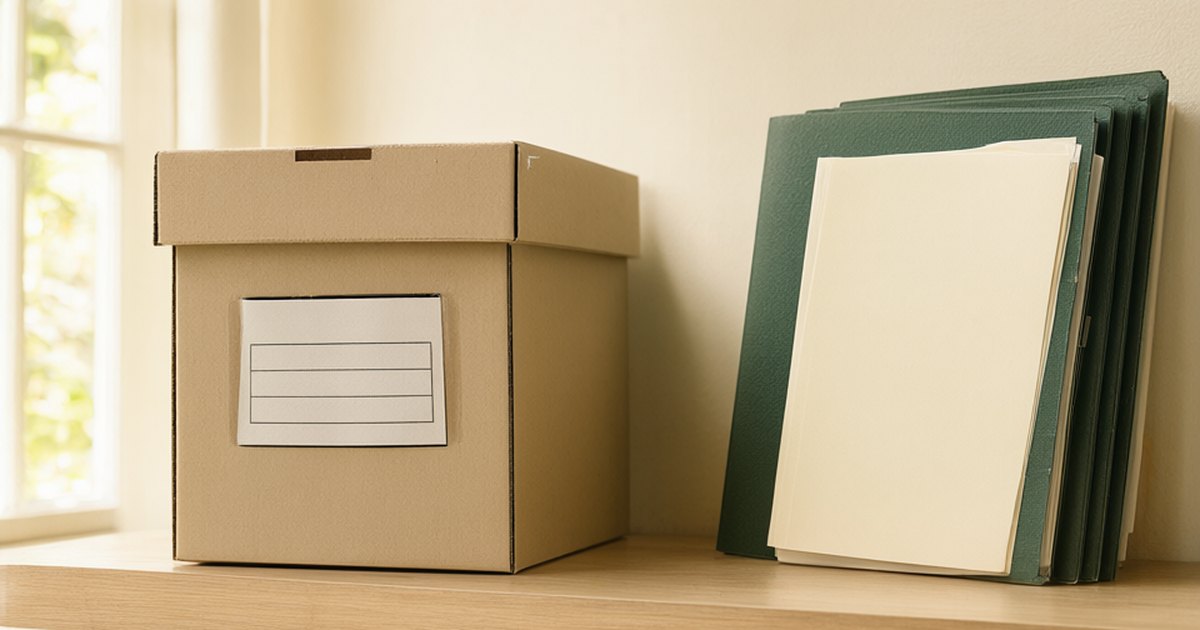
Keep records for as long as they could matter, not as long as they are convenient. For taxes, that is usually years after you filed.
The general rule
The IRS generally has three years after you file to audit a return, and longer in some situations, such as a substantial understatement of income. Many preparers suggest keeping business records for at least three to seven years. Because your situation may differ, ask yours. The IRS explains the rules on its how long to keep records page.
What counts as a record
- Purchase receipts and where they came from (a thrift store receipt, an estate sale invoice, a bank line).
- Sales records and platform reports, including annual summaries.
- Fees, shipping and supply purchases.
- Your mileage log, with dates, purposes and miles.
- Donation receipts for unsold inventory.
- Copies of what you gave your preparer.
Why a photo of a receipt beats the receipt
Thermal receipts fade. Take a photo the day you buy, and keep it with the item or the pickup it belongs to.
Store them where you can find them
A shoebox is technically a records system, but you will not want to search it. Whatever you use, organize by year and make sure there is a backup that does not live on the same phone or laptop.
Keep the year's export
When a year is done, keep the summary you gave your preparer. The Schedule C export is a convenient snapshot.
General information, not tax advice.
Keep your resale books in one place
Resale Record logs pickups, tracks sales, mileage and expenses, and has your Schedule C export ready at tax time. It is on Google Play for Android, and in a private beta on TestFlight for iPhone and iPad.